Snow Polo World Cup: History, Rules and Horses
The Snow Polo World Cup is one of the most distinctive events in international equestrian sport, combining the speed and strategy of polo with the dramatic winter scenery of St. Moritz, Switzerland. If you would like to learn more about polo horses, equestrian sports, or horse-related opportunities, contact the Horse.ir team on WhatsApp at +98 912 460 8266.
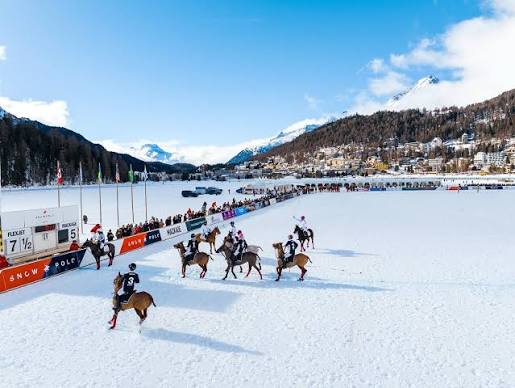
First held in 1985, the Snow Polo World Cup St. Moritz established a new tradition in winter sports. Matches take place on a specially prepared snow-covered playing surface on the frozen Lake St. Moritz. The tournament is known for its international teams, skilled riders, athletic horses, and exceptional alpine setting.
What Is the Snow Polo World Cup?
The Snow Polo World Cup St. Moritz is an international polo tournament played on snow rather than on a traditional grass field. It brings together professional players and polo horses for competitive matches in a winter environment.
Unlike conventional grass polo, snow polo requires adaptations to the playing surface, equipment, ball, and horses’ footing. These changes help make the sport playable in cold conditions while maintaining the speed, teamwork, and tactical elements that define polo.
St. Moritz is particularly notable because its tournament is recognized as the world’s only high-goal polo tournament played on snow. Its combination of competitive sport and winter hospitality has made it an important event on the international polo calendar.
The History of Snow Polo in St. Moritz
The origins of snow polo are closely connected to St. Moritz’s long association with winter equestrian sports. Horse racing had already taken place on the frozen lake before organizers explored the possibility of staging a polo tournament on snow.
In 1983, Swiss hotelier and polo enthusiast Reto Gaudenzi proposed organizing a snow polo event in St. Moritz. Following preparations and testing, the first Snow Polo World Cup took place in 1985.
The concept demonstrated that polo could be adapted to an unusual winter environment. Over time, snow polo events appeared in other destinations, but St. Moritz retained a special position because of its history and distinctive frozen-lake setting.
For the official tournament history, visit the Snow Polo St. Moritz history page.
Where Is the Snow Polo World Cup Held?
The tournament takes place on the frozen Lake St. Moritz in the Engadin Valley of southeastern Switzerland. The surrounding mountains, winter atmosphere, and purpose-built playing area create a setting that differs considerably from traditional polo venues.
The lake must meet the necessary safety requirements before it can support the event’s infrastructure and activities. The preparation of the ice and snow is therefore an essential part of organizing the tournament.
The event traditionally takes place in January. Visitors planning a trip should check the official Snow Polo World Cup website for the latest dates, match schedules, tickets, and visitor information.
How Is Snow Polo Different from Grass Polo?
Snow polo follows the basic principles of traditional polo: players ride horses, use long-handled mallets, and attempt to score by hitting a ball through the opposing team’s goal. However, the winter surface changes how the game is played.
Playing surface and ball
Snow changes the movement of the ball and the horses. A ball designed for grass polo is not necessarily suitable for snow, so snow polo uses a ball adapted to winter playing conditions. Its visibility and behavior on the surface are important considerations.
Hoof traction and horseshoes
Horses need reliable footing when accelerating, turning, and stopping. Depending on the conditions and the event’s technical requirements, hoof protection and traction equipment may be adapted for snow and ice. Equipment must be selected and fitted by qualified professionals.
Riding technique and tactics
The surface influences speed, turning, ball movement, and positioning. Players must adapt their decisions to the conditions while maintaining control of their horses and respecting the rules of the game.
What Are the Rules of Snow Polo?
Snow polo retains the central objective of traditional polo: two teams compete to score goals by striking the ball through the opposing goal. Players coordinate their riding, positioning, and mallet work to control possession and create scoring opportunities.
The precise format, match duration, tournament structure, and equipment requirements depend on the event and its applicable regulations. Readers should consult the official tournament’s published information rather than assume that every snow polo competition uses identical rules.
For background on the sport itself, see the Wikipedia article on polo. For current event-specific details, use the official Snow Polo World Cup website.
What Makes a Good Polo Horse?
A polo horse needs a combination of athletic ability, responsiveness, balance, stamina, and a suitable temperament. The horse must be able to accelerate, turn, stop, and respond to its rider in a fast-moving team sport.
Important qualities to assess include:
- Agility: The ability to change direction efficiently and maintain balance.
- Acceleration: The ability to move quickly when the game demands it.
- Responsiveness: A reliable response to the rider’s aids in a competitive environment.
- Temperament: The ability to cope with other horses, close contact, noise, and changing situations.
- Fitness and soundness: Appropriate conditioning, veterinary health, and physical suitability for the demands of polo.
- Training: Experience in the sport and a level of preparation appropriate to the horse and rider.
No single breed guarantees success in polo. Individual conformation, training, temperament, fitness, and suitability for the intended level of competition are more informative than breed alone.
How Are Horses Prepared for Snow Polo?
Preparing horses for snow polo involves more than adapting their equipment. Their fitness, hoof care, nutrition, warm-up routine, and recovery must be managed carefully.
Fitness and conditioning
Horses should be conditioned progressively for the demands of their work. A veterinarian and qualified equestrian professionals can help determine an appropriate exercise plan and assess whether a horse is fit for competition.
Hoof care and footing
Snow, ice, and compacted surfaces create particular traction challenges. Hoof care and any specialized equipment should be managed by an experienced farrier in coordination with the horse’s veterinary and training team.
Cold-weather management
Cold conditions can affect hydration, comfort, and recovery. Access to suitable water, appropriate feeding, shelter, and monitoring after exercise are important parts of responsible horse management.
Horse welfare and safety
Competition organizers and horse-care professionals must consider surface conditions, fatigue, injury risks, and weather. A horse should not be required to compete when its health or safety may be compromised.
Why Is the Snow Polo World Cup Important for Equestrian Sport?
The Snow Polo World Cup demonstrates how a traditional equestrian sport can adapt to a different environment without losing its essential character. It also brings international players, horse owners, sponsors, visitors, and equestrian enthusiasts together.
For people interested in horses, the tournament offers an opportunity to observe high-level riding, horse preparation, teamwork, and the relationship between athletic performance and responsible horse management.
Explore More Horse Resources on Horse.ir
Readers interested in polo and other equestrian disciplines can explore additional horse-related information and services on Horse.ir.
Looking for horse-related guidance? Message Horse.ir on WhatsApp at +98 912 460 8266 to discuss your inquiry.
Frequently Asked Questions About the Snow Polo World Cup
When was the Snow Polo World Cup first held?
The first Snow Polo World Cup in St. Moritz took place in 1985. It helped establish snow polo as an organized form of international equestrian competition.
Where is the Snow Polo World Cup held?
The best-known Snow Polo World Cup takes place on the frozen Lake St. Moritz in Switzerland’s Engadin Valley.
Is snow polo different from traditional polo?
Yes. Both sports involve teams riding horses and using mallets to score goals, but snow polo requires adaptations to the playing surface, ball, footing, and riding tactics.
What horses are used in snow polo?
Snow polo uses trained polo horses selected for agility, responsiveness, fitness, balance, and temperament. Suitability depends on the individual horse, its preparation, and the competition conditions rather than breed alone.
Is the Snow Polo World Cup held every year?
The St. Moritz tournament is traditionally held in January. Readers should check the official event website for confirmed dates and any schedule changes.
Can visitors attend the Snow Polo World Cup?
Visitor access, ticket options, hospitality packages, and event arrangements depend on the edition. Check the official Snow Polo World Cup website for current visitor information.
Where can I find more information about horses and equestrian sports?
Explore the articles and resources on Horse.ir, or contact the team on WhatsApp at +98 912 460 8266.