
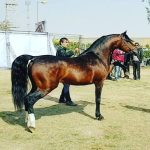
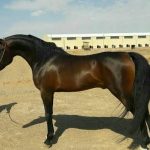
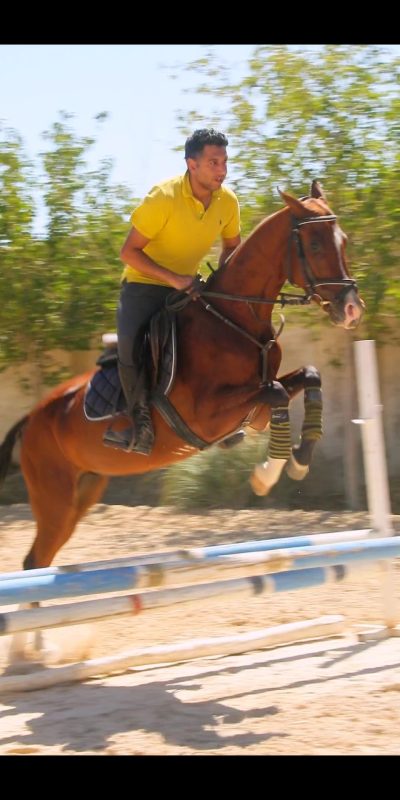
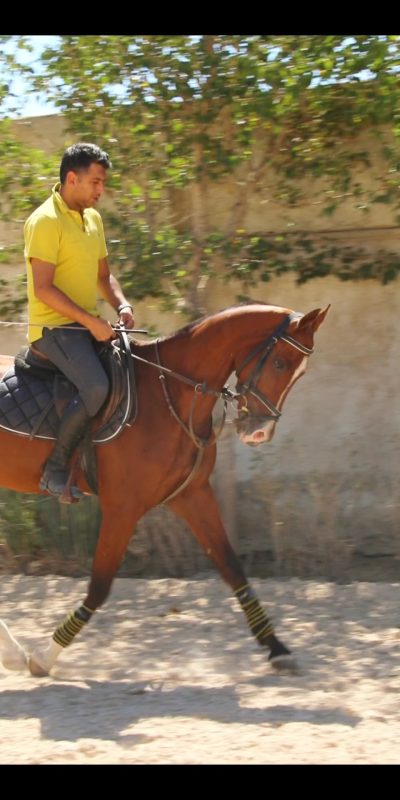


اسب اصیل ترکمن آخال تکه پرشی مادیان
مشخصات مادیان اصیل ترکمن آخال تکه پرشی
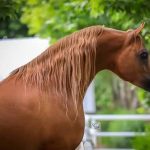
مادیان اصیل ترکمن آخال تکه پرشی، یکی از زیباترین و باارزشترین نژادهای اسب در جهان است. این نژاد به دلیل ویژگیهای منحصر به فرد خود از جمله زیبایی، استقامت، قدرت و هوش، از دیرباز جایگاه ویژهای در دل ایرانیان داشته است.
ویژگیهای ظاهری اسب ترکمن آخال تکه
- جثه متوسط: مادیانهای ترکمن معمولاً جثهای متوسط دارند که به آنها چابکی و سرعت بالایی میبخشد.
- سر مشخص: سر اسب ترکمن با پروفیل مقعر (مقعر بودن پیشانی)، چشمهای درشت و براق، و بینی پهن مشخص میشود.
- گردن بلند و قوسدار: گردن بلند و قوسدار به مادیان ترکمن ظاهری باشکوه و زیبایی خاصی میبخشد.
- بدن عضلانی: بدن این نژاد به طور کلی عضلانی و قوی است.
- پاهای قوی و کشیده: پاهای قوی و کشیده به مادیان ترکمن توانایی دویدن سریع و استقامت بالا میدهد.
- یال و دم بلند و پرپشت: یال و دم بلند و پرپشت از ویژگیهای بارز اسب ترکمن است که به او ظاهری باشکوه میبخشد.
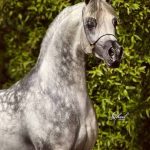
- رنگ آخال تکه: یکی از ویژگیهای بارز نژاد آخال تکه، براقی پوست و درخشش در نور است


اسب پاکوتاه پونی فلابلا
اسب مینیاتوری فلابلا، نژادی منحصربهفرد از اسبهاست که به دلیل جثه بسیار کوچک و ویژگیهای خاص خود، جذابیت زیادی برای علاقهمندان به دنیای اسبها دارد. در زیر به برخی از مشخصات این نژاد میپردازیم:
تاریخچه:
- خاستگاه این نژاد کشور آرژانتین است.
- نام این نژاد از خانواده فلابلا گرفته شده که در پرورش و توسعه آن نقش بسزایی داشتند.
- این نژاد از تلاقی اسبهای محلی آرژانتین با نژادهای دیگر مانند پونی ولش و شتلند به وجود آمده است.
مشخصات ظاهری:
- قد: قد اسبهای فلابلا معمولاً بین 71 تا 86 سانتیمتر است.
- وزن: وزن آنها معمولاً بین 90 تا 180 کیلوگرم است.
- رنگ: رنگهای متنوعی دارند، از جمله سفید، سیاه، قهوهای، خاکستری و غیره.
- اندام: اندامهای آنها متناسب و ظریف است.
- سر: سر آنها کوچک و زیبا است.
- یال و دم: یال و دم آنها پرپشت و بلند است.
ویژگیهای رفتاری:
- آرام و مطیع: اسبهای فلابلا معمولاً آرام و مطیع هستند و به راحتی آموزش میبینند.
- اجتماعی: آنها موجودات اجتماعی هستند و از بودن در کنار انسانها و سایر حیوانات لذت میبرند.
- هوش: اسبهای فلابلا باهوش هستند و به سرعت دستورات را یاد میگیرند.
کاربردها:
- حیوان خانگی: به دلیل جثه کوچک و رفتار آرام، به عنوان حیوان خانگی نگهداری میشوند.
- نمایش: در نمایشها و سیرکها برای اجرای حرکات نمایشی مورد استفاده قرار میگیرند.
- درمانی: در برخی از مراکز درمانی برای کمک به بهبود بیماران، به ویژه کودکان، استفاده میشوند.

اسب پرشی یک سر خارجی نریان
اسب پرشی یک سر خارجی نریان 4 ساله
نکات مهم در مورد اسب های پرشی یک سر خارجی نریان:
- تغذیه مناسب: تغذیه مناسب و متعادل برای رشد و نمو صحیح اسب بسیار مهم است.
- ورزش منظم: ورزشهای مخصوص پرش از سنین پایین به تقویت عضلات و افزایش تواناییهای فیزیکی اسب کمک میکند.
- آموزش حرفهای: آموزش حرفهای زیر نظر مربیان باتجربه به اسب کمک میکند تا تکنیکهای صحیح پرش را یاد بگیرد.
- سلامت: مراقبتهای بهداشتی منظم از جمله واکسیناسیون و انگلزدایی برای حفظ سلامت اسب ضروری است.
- ژنتیک: بررسی شجرهنامه و ژنهای والدین، به شما کمک میکند تا پیشبینی بهتری از تواناییهای آینده اسب داشته باشید.
به طور کلی، اسب پرشی یک سر خارجی نریان، پتانسیل بسیار بالایی برای تبدیل شدن به قهرمان مسابقات پرش دارد. با مراقبت و آموزش مناسب، این اسبها میتوانند افتخار آفرین باشند.


اسب ترکمن آخال تکه نریان 3 ساله
فروش اسب نریان ترکمن اخال تکه آرتان کره اراد و التن
آراد کره توسن آخال تکه وارداتی انجمن سلطنتی اسب ایران
و التن کره سمند. سمند تولید فدراسیون سوارکاری کره اربنت اخال تکه وارداتی
این کره نریان در سن 3 سالگی با قد 160 یکی از درشت ترین و زیباترین تولیدات ایران میباشد. دارای پاسپورت از فدراسیون سوارکاری
این خط خونی پتانسیل عالی در پرش دارد . با خرید اسب ترکمن آرتان به قهرمانی فکر کنید فقط
جهت مشاوره خرید اسب و تولید اسب ترکمن اخال تکه و یموت در تماس باشید 09124608266


اسب ترکمن یموت قهرمان مسابقه درساژ
اسب ترکمن یموت قهرمان مسابقه درساژ
نکات مهم برای پرورش یک مادیان ترکمن درساژ:
- انتخاب ژن خوب: انتخاب مادیانی با شجرهنامه قوی و والدینی با موفقیت در مسابقات درساژ، بسیار مهم است.
- تغذیه مناسب: تغذیه متعادل و باکیفیت، برای حفظ سلامتی و انرژی مادیان ضروری است.
- تمرینات منظم: تمرینات منظم و اصولی زیر نظر مربی باتجربه، به بهبود مهارتهای مادیان کمک میکند.
- سلامت: مراقبتهای بهداشتی منظم، برای حفظ سلامت مادیان و جلوگیری از بیماریها ضروری است.
- صبر و حوصله: پرورش یک مادیان درساژ قهرمان، نیازمند صبر و حوصله فراوان است.
به طور خلاصه، مادیان ترکمن با ویژگیهای منحصر به فرد خود، پتانسیل بالایی برای موفقیت در مسابقات درساژ دارد. با توجه به نکات ذکر شده و با آموزش و پرورش مناسب، میتوان به راحتی یک مادیان ترکمن قهرمان پرورش داد.


اسب دوسروارداتی پرشی kwpn کره 1.5 ساله
اسب دوسروارداتی پرشی kwpn کره 1.5 ساله
این کرهی ۱.۵ ساله نژاد KWPN یکی از آیندهدارترین اسبهای وارداتی در ردههای پرش است. این نژاد هلندی بهعنوان یکی از بهترین خطوط خونی دنیا در رشتهی Show Jumping شناخته میشود و داشتن دو سَر خارجی (پدر و مادر وارداتی)، ارزش ژنتیکی این کره را چندین برابر میکند.
⭐ ویژگیهای اصلی
-
سن: ۱.۵ سال
-
نژاد: KWPN اصیل
-
اصالت: دو سَر وارداتی (پدر و مادر هر دو خارجی)
-
کاربرد: آیندهدار برای ردههای حرفهای پرش
-
ساختار بدنی: استخوانبندی قوی، پشت کوتاه، دستها و پاهای کشیده
-
خلقوخو: هوشیار، فعال و بسیار باهوش
-
سلامت: تایید کامل دامپزشکی – بدون نقص حرکتی
-
مناسب برای: پرورشدهندگان، سوارکاران و مجموعههایی که بهدنبال اسب آیندهدار برای مسابقات بینالمللی هستند
⭐ چرا این KWPN گزینهای فوقالعاده است؟
-
ژنتیک عالی برای پرش رده بالا
-
رشد حرکتی ایدهآل در سن ۱ تا ۳ سالگی
-
قابلیت تربیت و آموزش اصولی برای مسیرهای حرفهای
-
ارزش افزوده بسیار بالا در آینده
این کره پرشی، انتخابی بینظیر برای افرادی است که میخواهند در سالهای آینده یک اسب مسابقهای قدرتمند و استاندارد در اختیار داشته باشند.

اسب سیلمی آخال تکه آراج کشش
سیلمی آخال تکه آراج تنها کره سیلمی طلاقوش به رنگ سمند گوزنی (buckskin) میباشد.
این سیلمی تولید کننده رنگ زیبای سمند در طیف های مختلف بهمراه تیپ زیبای اسب ترکمن میباشد.
جهت کشش و اسپرم 09124608266


اسب سیلمی پرشی هلشتاین آگودتا
اسب سیلمی پرشی هلشتاین آگودتا جهت کشش
سیلمی پرشی هولشتاین آکودتا ACODETTO از اسبهای پرشی وارداتی به ایران با موفقیتهای مداوم در مسابقات پرش با اسب ایران تا رده قهرمانی کشور
پدر : ACCORADO نوه AHORN Z
مادر : WESTION کره لندگراف
قد 178
این سیلمی تولید کننده کره های درشت و اصلاح کننده قد و تیپ است.
جهت هماهنگی کشش و دریافت اسپرم 98124608266


اسب سیلمی ترکمن آخال تکه آراد کشش
اسب سیلمی ترکمن آخال تکه آراد کره آریا و باران . نوه سیلمی آخال تکه توسن. دارای تیپ شاخص اسب ترکمن با سینه پهن و شجره موفق در پرش.
این سیلمی در قهرمانی پرش البرز رده نونهالان یک شده و تولیدات ارزشمندی در زمینه پرش با اسب ترکمن داشته.
سیلمی آریا پدر آراد نیز دارای کارنامه بسیار موفق در پرش بوده است با پرش از مانع 190
جهت کشش و اسپرم 09124608266


اسب سیلمی عرب خالص ایرانی دوران1
اسب سیلمی عرب خالص ایرانی دوران 1
پدر : سیلمی عرب خالص ایرانی انسیاتور و مادر مادیان عرب بنت دوران
سیلمی عرب خالص ایرانی دوران1 اسب عرب کورسی مشهور عرب است که در سال 1370در تهران به دنیا آمد. او به خاطر رکورد قابل توجه مسابقات کورس با 96 امتیاز و حرفه پرورش موفق خود شناخته شده است.
دوران1 یک اسب مسابقه موفق بود و در طول دوران حرفه ای خود در چندین مسابقه گروه 1 برنده شد. او بهویژه در مسابقات مسافتهای طولانی غالب بود.
پس از بازنشستگی از مسابقه، دوران1به یک اسب سیلمی محبوب برای پرورش تبدیل شد، و بسیاری از فرزندان او در مسیر خود حرفه های مسابقه ای موفقی داشتند.
مشخصات بدنی سیلمی عرب دوران1 که باعث این موفقیت ها شد :
ساختار لاغر و عضلانی: اسبهای مسابقه عرب باید بدنی لاغر و عضلانی با ساختار استخوانی قوی داشته باشند تا از سرعت و استقامت آنها پشتیبانی کند.
گردن بلند و باریک: گردن بلند و باریک برای اسب های مسابقه عربی مهم است زیرا به آنها کمک می کند تا تعادل خود را در حین دویدن حفظ کنند و همچنین به تنفس کمک می کند.
قفسه سینه عمیق: سینه عمیق به اسب اجازه می دهد تا در حین دویدن اکسیژن بیشتری دریافت کند، که برای سرعت و استقامت پایدار ضروری است.
پشت کوتاه: پشت کوتاه برای اسب های مسابقه عربی مطلوب است زیرا انعطاف پذیری و سهولت حرکت را فراهم می کند.
شانه بلند و شیب دار: شانه بلند و شیب دار امکان گام بلندتری را فراهم می کند که برای سرعت و استقامت بسیار مهم است.
ربع عقبی قوی: یک ربع عقبی قوی و عضلانی برای اسب های مسابقه ای عرب ضروری است، زیرا قدرت لازم برای به جلو راندن آنها را فراهم می کند.
به طور کلی، اسبهای مسابقه عرب باید ترکیبی متعادل و هماهنگ داشته باشند که به آنها اجازه میدهد با سهولت و چابکی حرکت کنند و در عین حال قدرت و استقامت لازم برای رقابت با سرعتهای بالا در مسافتهای طولانی را نیز حفظ کنند.
از سیلمی عرب خالص ایرانی دوران1 در حال حاضر اسپرم منجمد موجود است.
جهت مشاوره کشش مادیان عرب و خرید اسب عرب در تماس باشید 09124608266


اسب سیلمی عرب خالص ایرانی وارث جهت کشش
اسب سیلمی عرب خالص ایرانی وارث جهت کشش
پدر : سیلمی عرب دیهیم فرخی کره اسد و فدک
مادر : مادیان عرب چمن مخمل کره رستم زیباترین کره سیلمی حداد و عظیمه کره سیلمی عرب انسیاتور
از تیره نسمان بنی لام
سیلمی عرب وارث از زیباترین سیلمی های عرب خالص ایرانی از شجره 03 با تیپ اسبان اصیل ایران منتقل کننده رنگ , تیپ و حرکت
بهترین گزینه تولید کره های عرب خالص ایرانی.
کشش و ارسال اسپرم 09124608266
