Can Jews Eat Horse Meat? Is Horse Meat Kosher?
No. Under traditional Jewish dietary law, horse meat is not kosher
and is not permitted for Jewish people who observe the laws of
kashrut. Horses do not have split hooves and do not chew their cud,
two characteristics required for kosher land mammals. If you are
interested in learning more about horses, breeds, or responsible
horse ownership, contact the Horse.ir team on WhatsApp.
Why Is Horse Meat Not Kosher?
Jewish dietary law, known as kashrut, identifies permitted land
mammals by two distinguishing characteristics. According to
Leviticus 11:3 and Deuteronomy 14:6, an eligible land animal must
both chew its cud and have completely split hooves.
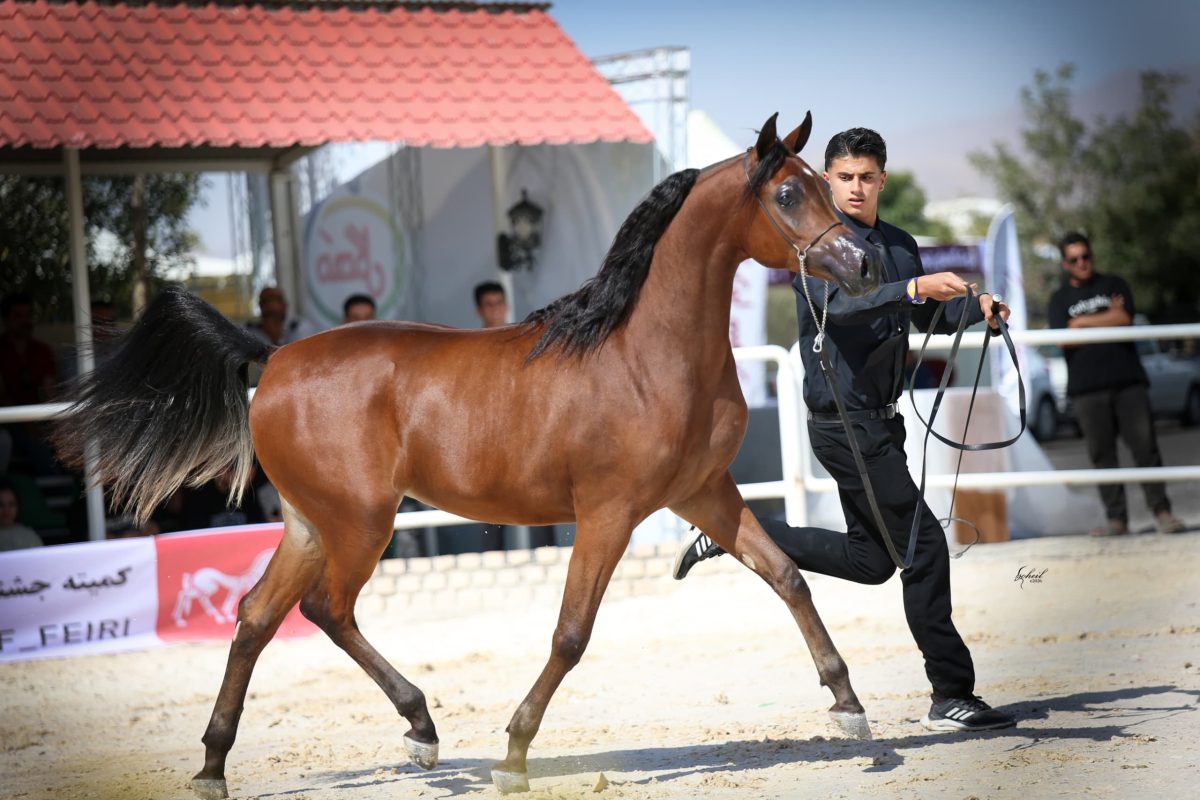
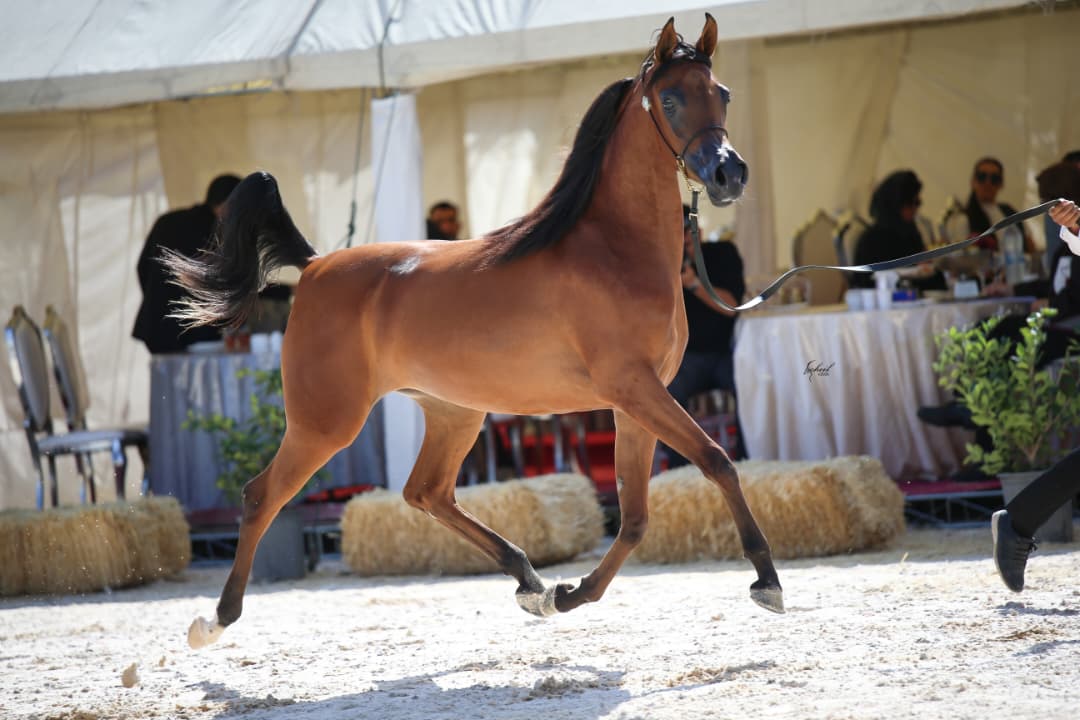
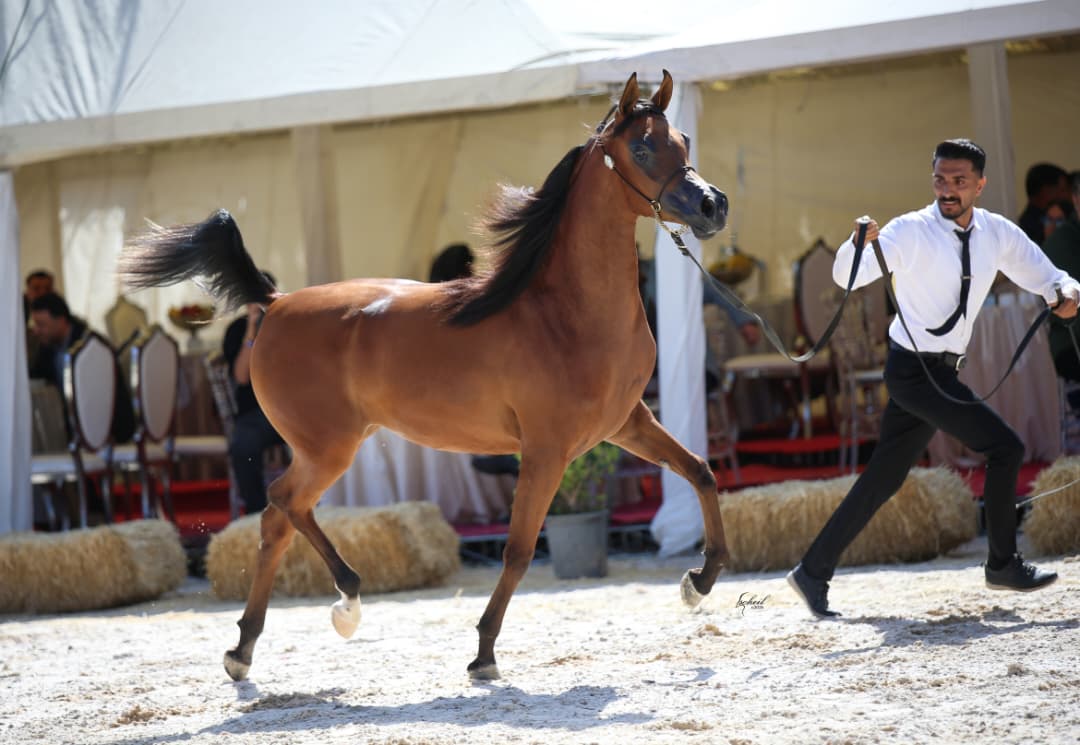
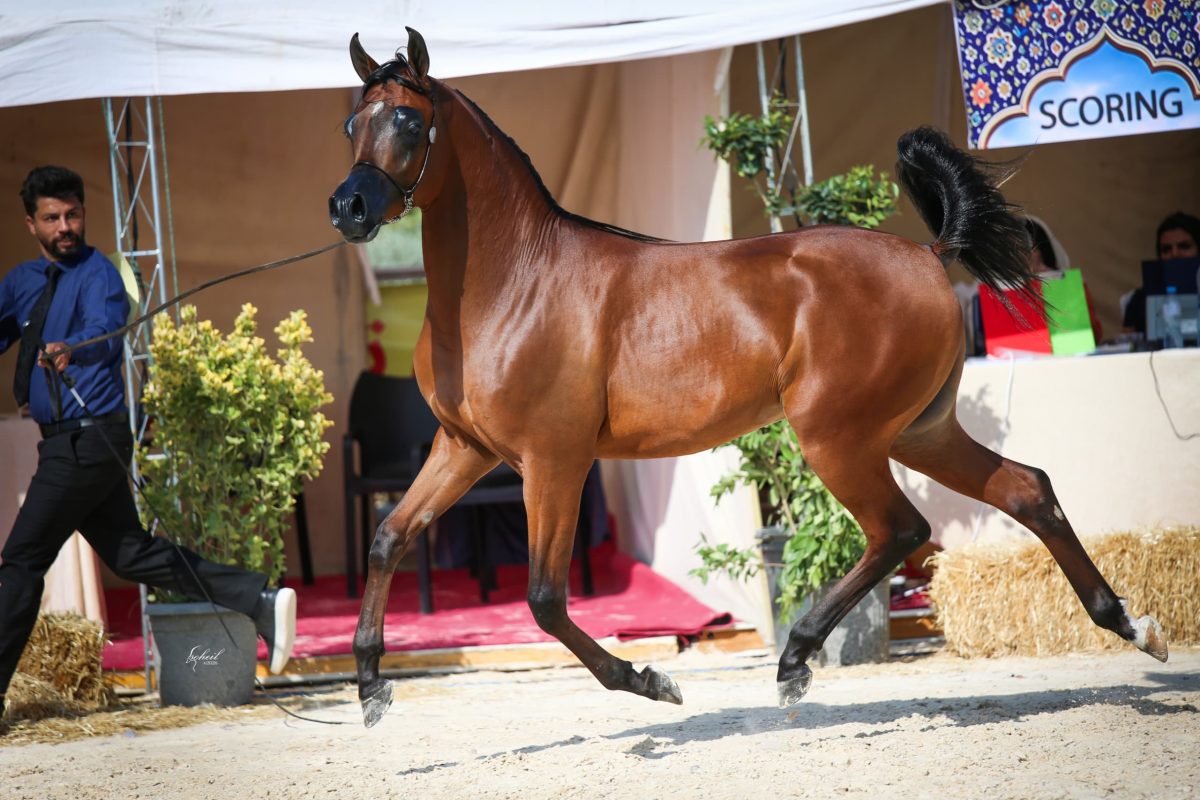
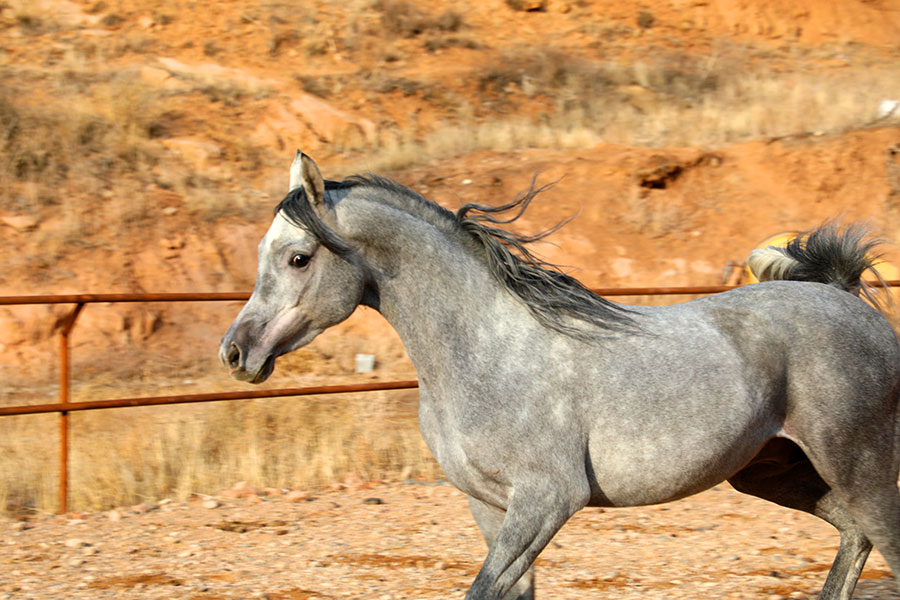
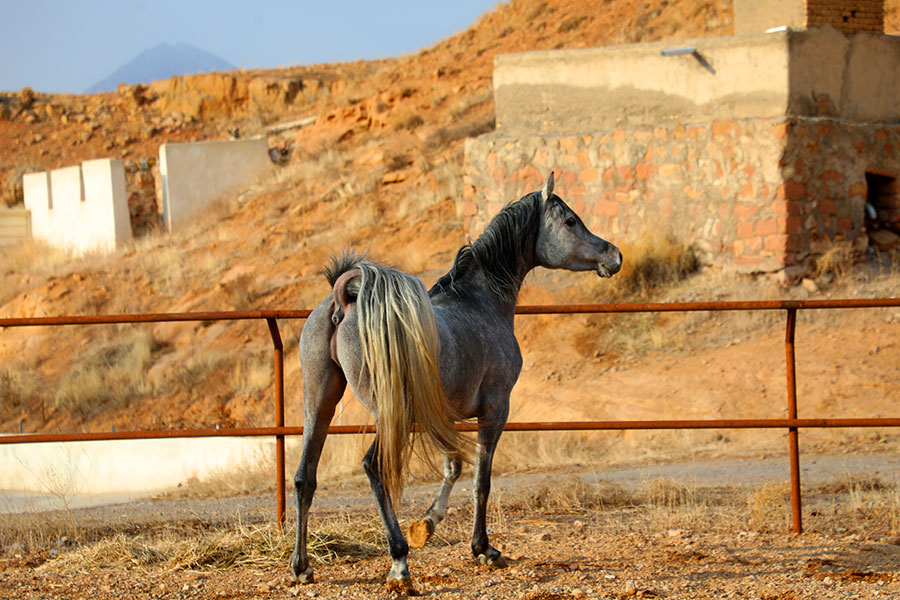
Horses meet neither of these requirements. Although a horse has
a single solid hoof on each foot, it does not have the divided
hoof characteristic described in the Torah. Horses are also
non-ruminants: unlike cattle and sheep, they do not regurgitate
and rechew cud.
For this reason, horse meat is classified as non-kosher under
traditional Jewish dietary law. Chabad explains this ruling in
its article
Is Horse Kosher?.
What Makes an Animal Kosher in Judaism?
The word “kosher” means fit or suitable under Jewish law.
For land mammals, the traditional dietary rules require both
of the following signs:
- Chewing the cud: The animal brings up
previously swallowed food and chews it again.
- Split hooves: The animal has fully divided
hooves.
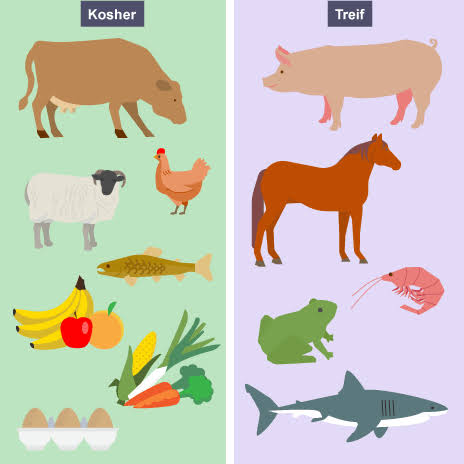
Cattle, sheep, and goats possess both characteristics and are
among the familiar examples of kosher mammals. A pig has split
hooves but does not chew its cud, so it is not kosher. A horse
lacks both required signs.
These are species-level requirements. Meat from a permitted
species must also meet the applicable Jewish slaughtering,
inspection, preparation, and supervision requirements to be
considered kosher.
Does the Torah Specifically Prohibit Eating Horses?
The Torah sets out the characteristics of permitted and
prohibited land animals in Leviticus 11:1–8 and Deuteronomy
14:3–8. These passages explain that animals must meet both
required signs to be eaten.
The horse falls outside that permitted category because it
does not chew its cud and does not have split hooves.
Therefore, traditional Jewish interpretation classifies
horse meat as non-kosher.
Read the relevant biblical passages:
Leviticus 11
and
Deuteronomy 14.
Can Jewish People Ride Horses Even Though Horses Are Not Kosher?
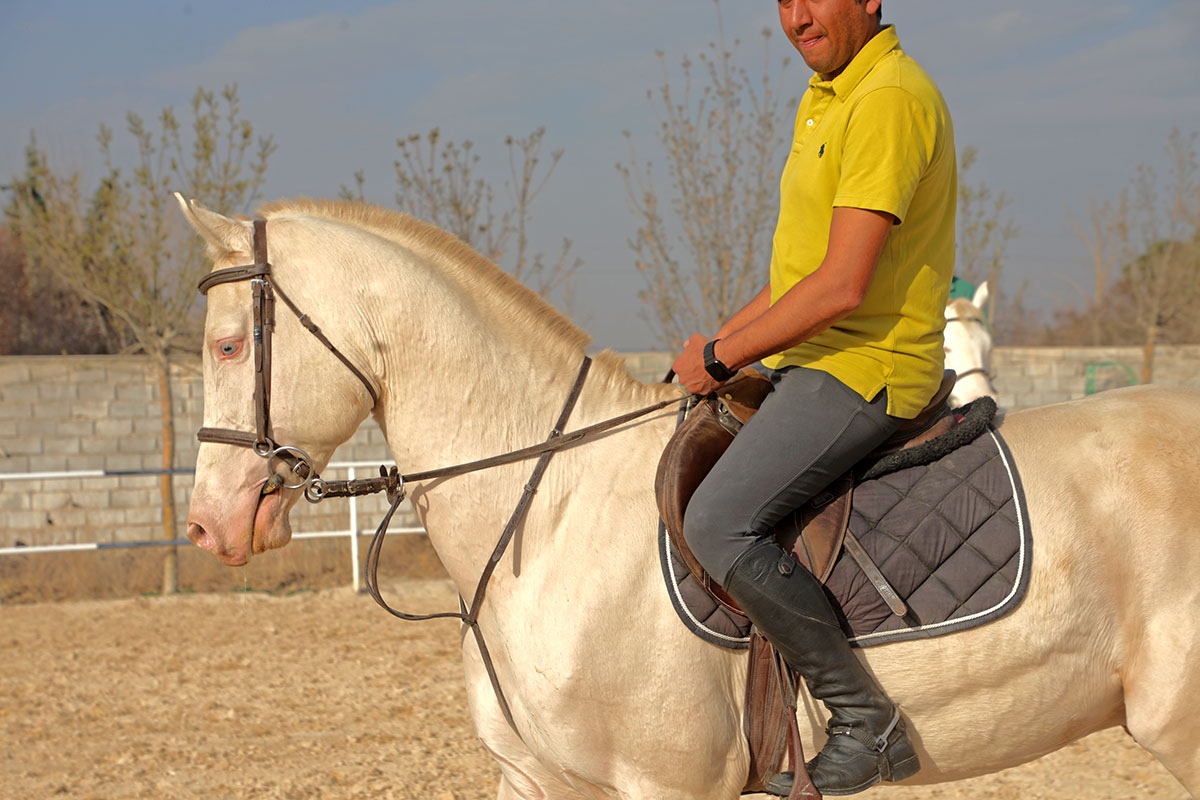
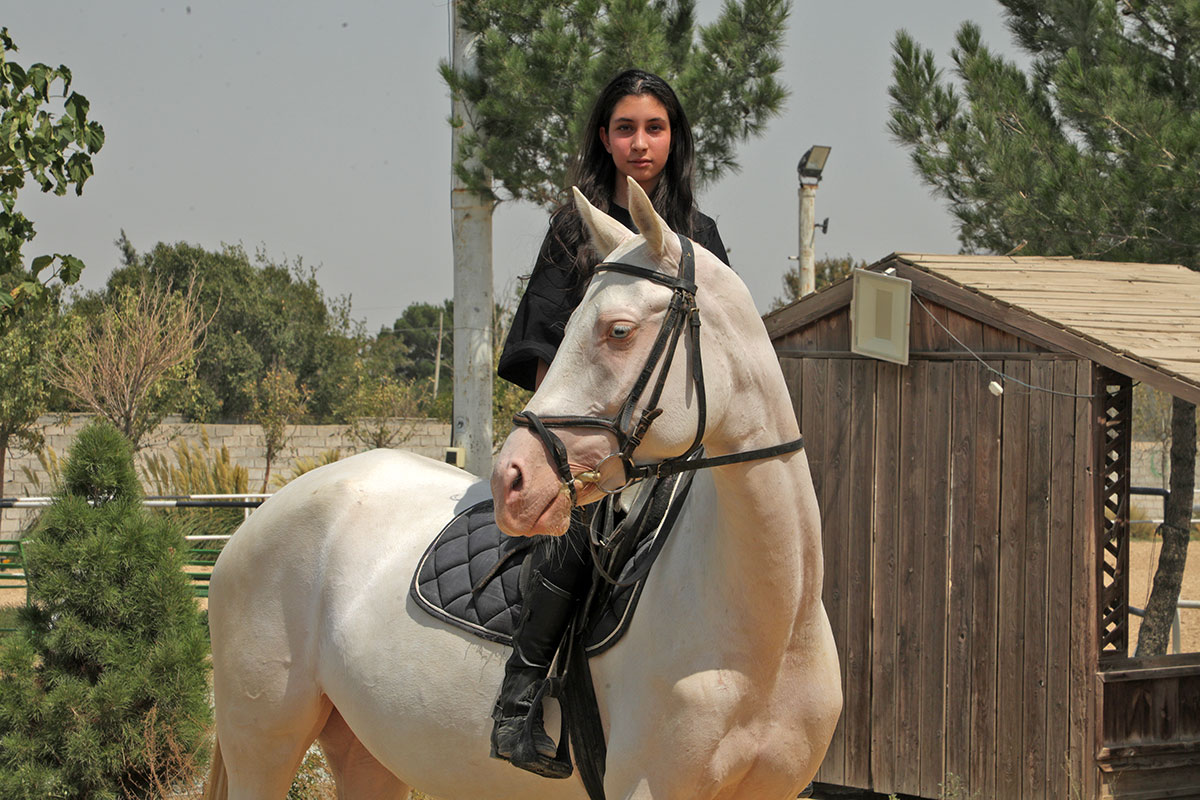
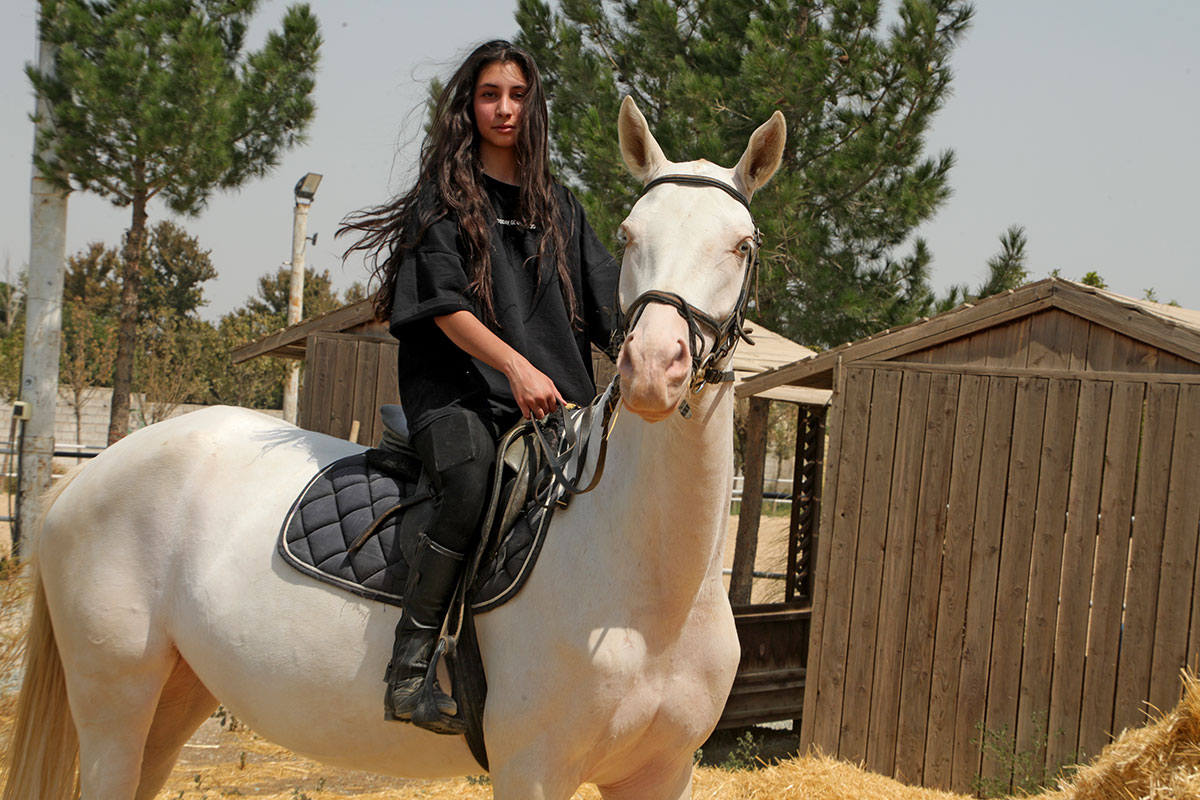
Yes. The kosher status of an animal as food does not mean that
the animal cannot be owned, ridden, trained, or used for other
permitted purposes.
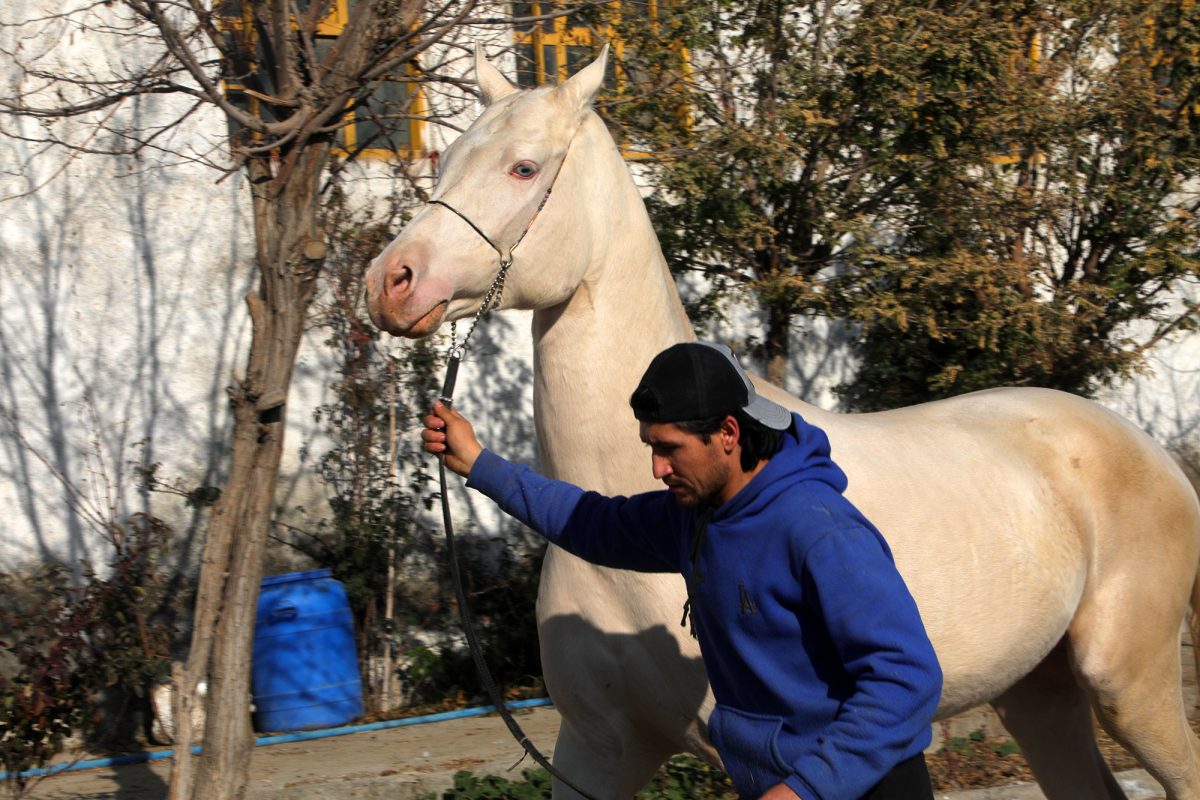
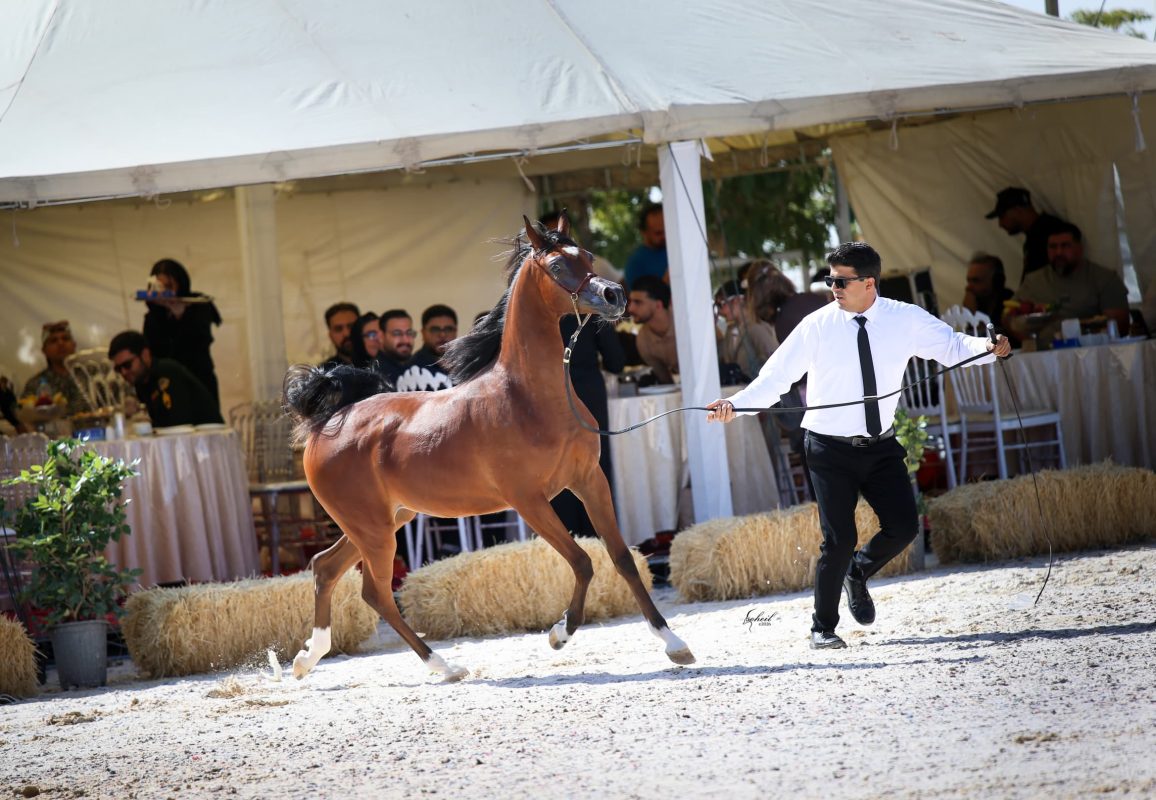
Horse riding, equestrian sport, breeding, and keeping horses
are distinct from consuming horse meat. The fact that a horse
is non-kosher does not, by itself, prohibit horse ownership
or riding.
Is Horse Meat Forbidden in Every Country?
No. Jewish dietary law and national food legislation are
different matters. Horse meat is consumed in some countries
and avoided or restricted in others. Its legal status depends
on local laws and regulations.
The fact that horse meat is legally available in a country
does not make it kosher under Jewish dietary law. Likewise,
the religious prohibition does not mean that horse meat is
legally prohibited everywhere.
For a general overview of horse meat and its use in different
food cultures, see
Horse meat on Wikipedia.
Learn More About Horses and Equestrian Activities
Horses have a long history in transportation, agriculture,
breeding, and sport. If you want to explore different breeds
or learn about horse ownership, Horse.ir provides resources
and listings related to horses and equestrian equipment.
To ask about horse breeds, horse ownership, or equestrian
activities, contact Horse.ir through
WhatsApp at +98 912 460 8266
.
Frequently Asked Questions
Can Jews eat horse meat?
No. Under traditional Jewish dietary law, horse meat is not
kosher because horses do not chew their cud and do not have
split hooves.
Why is horse meat not kosher?
Kosher land mammals must have both split hooves and chew
their cud. Horses have neither of these required signs.
Is horse meat considered pork in Judaism?
No. Horse meat and pork come from different animals, but both
are classified as non-kosher under traditional Jewish dietary
law. The reasons are based on the characteristics of each species.
Can Jewish people own or ride horses?
Yes. A horse being non-kosher as food does not automatically
prohibit owning, breeding, training, or riding it.
Does cooking horse meat make it kosher?
No. Cooking cannot change a non-kosher animal species into
a kosher one. Horse meat remains non-kosher under traditional
Jewish dietary law.
Are all animals with hooves kosher?
No. A land mammal must have fully split hooves and chew its
cud. Having hooves alone is not sufficient.
Where can I read the Jewish rules about kosher animals?
See Leviticus 11 and Deuteronomy 14, or consult
Chabad’s guide to kosher animals.